
Back to School: Helping Kids Get Back Into an Active Routine

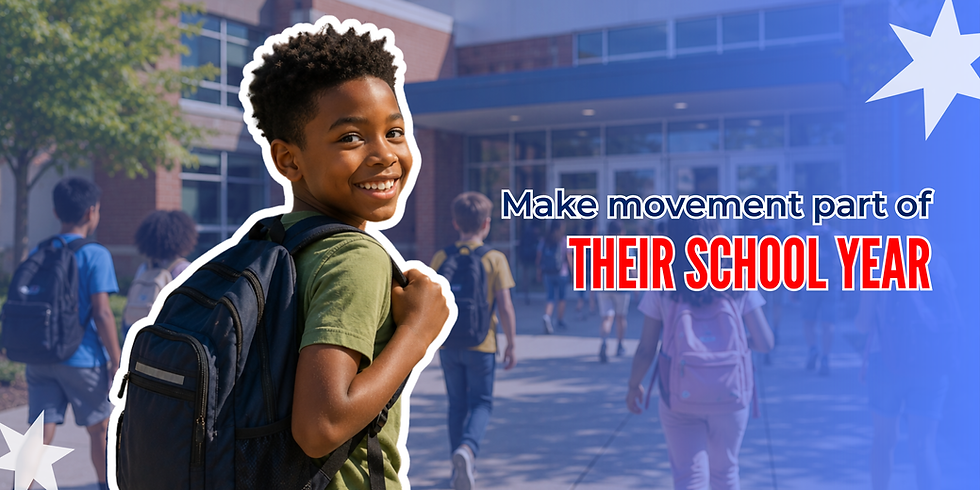
After weeks of following a different routine, kids and teens also need time to adjust to more structured days.
During summer break, habits can change significantly. Some kids spend more time playing and staying active, while others may spend more time in front of screens or go to bed and wake up later. Once school starts, much of the day is once again dedicated to classes, studying, and homework.
But the beginning of a new school year can also be an opportunity to look beyond study routines and help kids and teens get back into a more active lifestyle.
According to the CDC, children and adolescents ages 6 to 17 should get 60 minutes or more of physical activity every day. The agency also recommends that these activities be varied, age-appropriate, and enjoyable.
Active play, outdoor activities, youth sports, and after-school programs are all great ways to add more movement to the day and, most importantly, help kids find an activity they actually enjoy and want to keep doing.
From Summer Mode to School Mode: Give Them Time to Adjust
After a few weeks of following different schedules, it’s natural for kids and teens to need some time to get back into the same rhythm they had before summer break. If your child was less active during the summer, there’s no need to make up for that with an intense routine during the first few weeks. Physical activity can be reintroduced gradually until it becomes part of their daily routine again.
For kids and teens who are less active, public health guidelines recommend this gradual approach: starting with smaller amounts of physical activity and gradually increasing the duration, frequency, and intensity over time. Even doing less than the recommended amount is better than remaining inactive.
The most important thing at this point is to rebuild the habit. Active play, a walk, a practice session, or returning to a sport can help the body gradually get used to moving again without turning back-to-school season into an even longer list of responsibilities.
And there’s another important point: physical activity and school don’t have to compete for time. The CDC highlights that physical activity in children is associated with benefits for attention and memory, as well as muscular, cardiovascular, and bone health.
After-School Activities Can Make the Transition Easier

Gradually getting back into movement is the first step. The next is finding a way to keep physical activity part of the routine, even after the first few weeks of school.
For kids and teens, having an activity with set days and times can help create that consistency. Instead of deciding every day when or how to be active, they already know that certain times during the week are reserved for physical activity.
Having this kind of structure helps turn a one-time activity into part of the routine. There’s a day to go, a time to arrive, a group waiting, and an activity already planned. Over time, practice stops being something that needs to be squeezed into the schedule every week and simply becomes part of it.
That doesn’t mean filling every available hour. Kids and teens still need time to rest, study, spend time with family, and simply enjoy some free time. So, rather than adding more and more activities to their schedule, the goal is to find one that actually fits into their routine and that they genuinely want to keep doing.
Choose Something They’ll Want to Come Back To
When choosing a sport or an after-school activity, it’s worth looking beyond how much exercise it provides. Is your child having fun? Do they get excited when practice day comes around? Do they feel comfortable with the group and their coaches? Do they feel like they’re learning and able to do things they couldn’t do before?
These signs matter because, especially during childhood and adolescence, a child’s experience with physical activity can influence their motivation to stay active over time.
And the first sport they try won’t always be the one they connect with most. Exploring different activities is part of the process. Some kids enjoy individual activities, while others feel more motivated when they’re part of a team, interacting with others and working toward shared goals.
Maybe one of the most important questions to ask on the way home isn’t just, “Did you do well at practice?” but rather: “Did you have fun? Do you want to come back next week?”
When the answer starts to be “yes,” it becomes much easier for sports to stop feeling like just another activity on the schedule and become something your child actually looks forward to each week.
Volleyball: Movement, Learning, and Fun After School
For kids and teens who enjoy learning through play and interacting with others, team sports can bring together several elements that make physical activity more engaging. And volleyball is a great example.
During a volleyball practice, there’s rarely just one thing happening at a time. Players need to track the ball, move around the court, adjust their body position, and react to the next play. At the same time, they learn fundamental skills such as passing, serving, and setting, while gradually understanding how each player contributes to the game.
And because no play happens alone, communication and cooperation are also part of the experience. A pass sets up the set, the set creates an opportunity for an attack, and every point involves different players working together.
This combination creates something especially important for beginners: there’s always a new skill to learn. The first controlled pass, the first serve that makes it over the net, or a successful three-touch sequence with the team are small achievements that make progress easier to see and give players new goals to work toward in future practices.
Volleyball can be a great addition to an after-school routine: while kids and teens stay active, they also learn, interact with others, take on new challenges, and have fun.
And they don’t need to know how to play before they start. For beginners, learning is part of the experience.

At Volleyball Academy, kids and teens learn volleyball through a step-by-step approach, developing new skills while staying active, interacting with other players, and discovering the sport at their own pace.
With the new school year beginning, this could be the perfect time to try something new and turn an ordinary after-school day into practice day.
Ready to get your child on the court? Explore Volleyball Academy programs and find the right class for them.


Comments