
My Child Doesn't Like Sports. What Should I Do?


Does your child say they don't like sports? Do they avoid physical activities or lose interest after just a few practices? If so, you're not alone. This is a common concern for many parents.
But have you ever considered that it might not mean your child truly dislikes sports? In many cases, the issue is something else. They may simply not have found an activity that matches their personality, interests, or stage of development.
The way children are introduced to sports also makes a big difference. When the experience is fun, welcoming, and free from pressure, they're much more likely to develop a positive relationship with physical activity.
In fact, a Project Play study by the Aspen Institute found that the number one reason children quit sports is surprisingly simple: it stopped being fun.
They May Not Have Found the Right Sport Yet
When a child says they don't like sports, it's easy to assume they simply aren't interested in physical activity or don't enjoy being active. But is that really the case?
Just like hobbies, books, or school subjects, not every child connects with their first experience. Some enjoy team sports, while others feel more comfortable with individual activities. Some children love running, others prefer ball games, and some simply need a little more time before they feel comfortable joining in.
This is because every child has their own personality, interests, and pace of development. Comparing them to siblings, classmates, or other children the same age can create expectations that don't reflect the way they learn and grow.
Trying different sports is part of the process. The goal isn't to make children enjoy just any sport, but to help them find one where they feel motivated, supported, and genuinely happy to participate.
Imagine a shy child whose first experience is a highly competitive sport with lots of pressure. They may come to believe they "don't like sports." But after trying an activity with a more relaxed approach that focuses on fun and learning, that same child may discover an interest they never had the chance to develop.
Fun Comes Before Competition

It's natural for parents to want to see their children improve, learn new skills, and achieve good results. But during childhood, there's something even more important than winning or performing well: having fun.
It may sound simple, but having fun is one of the biggest reasons children keep playing sports.
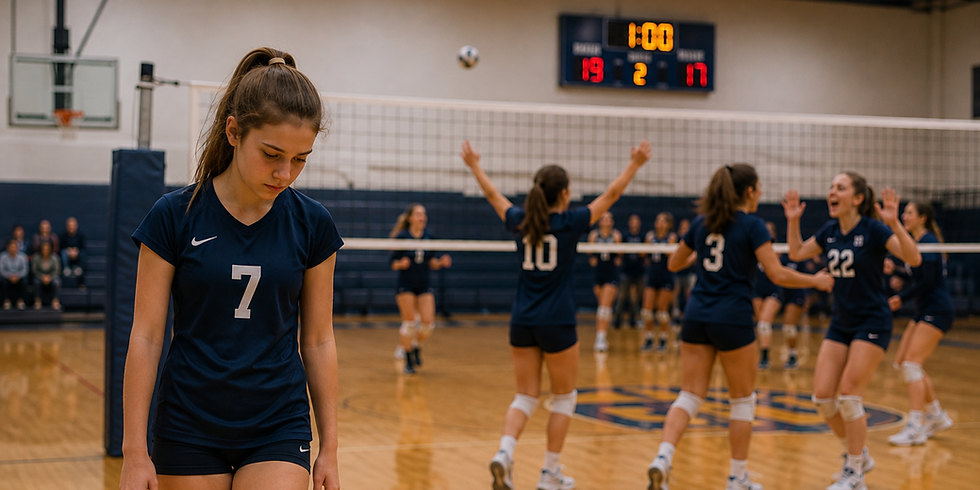
This doesn't mean challenges or competition are harmful. On the contrary, they're an important part of a child's athletic development. The problem begins when the pressure to perform appears too early. When every practice feels like a test, every mistake feels like failure, and every game feels like an obligation, many children stop seeing sports as a positive experience and begin to associate them with anxiety and the fear of making mistakes.
During childhood, the focus should be on the process, not the performance. Celebrating effort, dedication, and small victories helps build confidence and encourages children to keep learning. Games, challenges, and playful activities also make the experience more engaging, naturally encouraging children to participate.
When enjoying the experience comes first, improvement naturally follows. Children who enjoy playing sports are more likely to stick with them, develop new skills, and build a positive relationship with physical activity that can last for years.
If you ask a child why they want to play a sport, their answer is unlikely to be "to win championships." More often, they'll say they want to have fun, make friends, and play. That's the motivation worth protecting.
Why Early Sports Experiences Matter

A child's first experiences with sports help shape the way they view physical activity and, in many cases, the confidence they'll carry into future challenges.
When those experiences are positive, children learn that making mistakes is part of the learning process. Over time, they gain the confidence to try again, become more independent, build self-esteem, and develop a sense of belonging. Sports also become a place where they can make new friends, learn to work as a team, and celebrate small victories alongside other children.
On the other hand, experiences shaped by excessive pressure, constant comparisons, or ongoing criticism can have the opposite effect. Some children begin to believe they simply aren't "good enough" to play sports, when in reality, they may just need more time, encouragement, and a supportive environment.
Imagine a child who misses the ball during practice. If they're encouraged to try again and praised for their effort, they're much more likely to keep participating and build confidence with every attempt. But if that same mistake leads to embarrassment, criticism, or fear of disappointing others, there's a good chance they'll start avoiding similar situations in the future.
That's why, during childhood, true success is about creating experiences that make children want to come back the next day.
How Volleyball Helps Reluctant Kids Enjoy Sports
There isn't one single sport that's right for every child. Some children enjoy swimming, while others prefer dance, martial arts, gymnastics, soccer, or individual sports. The most important thing is finding an activity that sparks their curiosity, matches their pace of learning, and makes them excited to come back.
Among these options, volleyball stands out because it offers a unique combination of benefits for children who are still building confidence in sports. Unlike activities where physical contact or intense competition can feel intimidating for beginners, volleyball allows children to develop their skills gradually, at a pace that respects their individual growth and development.
During a child's first experiences with volleyball, age-appropriate activities, lighter volleyballs, and games designed for their stage of development help make learning fun and accessible. Instead of expecting perfect technique from the very beginning, children are encouraged to try, make mistakes, learn, and celebrate every small success.
Another important benefit is the team environment. During practice, children learn to work together, encourage their teammates, celebrate achievements as a group, and understand that every player has an important role to play. These experiences help develop not only volleyball skills, but also social skills that will benefit them both on and off the court.

At Volleyball Academy, this philosophy is part of every practice. Through programs designed for different ages and experience levels, children learn in a supportive environment where the focus is on having fun, building skills, and growing in confidence.
Instead of expecting perfection, they discover that success happens one small step at a time.


Comments