
Recreation and Structured Sports During Childhood - What is the best choice?


After school, it’s common for parents to look for activities to keep their children active, especially since children and adolescents are recommended by the World Health Organization to get at least 60 minutes of daily physical activity. Even with that in mind, it’s not always clear what the best option is: recreation or structured sports.
Both involve movement and are important for childhood development, but they work in very different ways.
Understanding this difference helps parents make more informed choices about how their children spend their free time, balancing fun, health, and learning. While recreation is more free and focused on play, social interaction, and exploring movement, structured sports bring more routine, discipline, and the development of specific skills.
The Importance of Physical Activity After School
After school, many children spend long periods sitting, whether doing homework, using screens, or simply resting. According to CDC guidelines, moving the body is essential during childhood.
Physical activity after school plays an important role in a child’s life. It supports both physical and mental health, helping with strength development, coordination, and healthy energy release. It also helps improve focus and concentration, which can positively impact school performance.
Another important aspect is social development. After-school activities give children the chance to interact with others, learn teamwork, and build more confidence in themselves and their choices. When physical activity becomes part of a daily routine, it helps create structure, consistency, and healthy habits that can support a child’s growth for many years.
Best After-School Sports Programs in Maryland for Middle and High Schoolers

Parents looking for the best after-school sports programs in Maryland are usually seeking positive environments where children stay active, develop skills, and build meaningful life habits.
Team sports are especially valuable at this stage. They encourage teamwork, communication, and responsibility, while also helping students stay physically active in a consistent way. In strong youth sports programs in Maryland, children learn how to handle challenges, work with others, and build greater confidence.
For middle school students, after-school sports activities often focus on fundamentals, coordination, and helping kids discover what they enjoy. At the high school level, programs tend to become more structured and competitive, supporting discipline, performance, and personal growth both on and off the court or field.
Volleyball is a great example of a sport that works very well across both stages. It promotes teamwork, quick decision-making, discipline, and consistent physical activity, all within a safe and motivating environment. For many students, especially in structured volleyball programs, the sport becomes a space for development, both as athletes and as individuals.
Evaluating Maryland After-School Activities: Safety, Coaching Quality, and Community
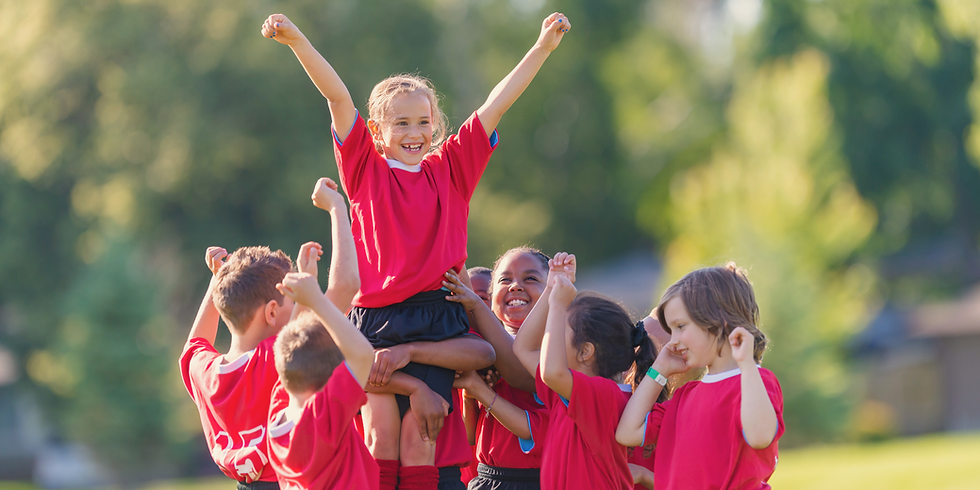
When choosing after-school programs in Maryland, parents want to make sure they are not just enrolling their children in an activity, but in a safe and positive environment. The quality of the program can directly impact a child’s experience, development, and even their long-term relationship with sports.
Safety is always the first priority. Safe after-school activities should provide proper supervision, age-appropriate training, and a structured environment where children can participate without unnecessary risk.
Another essential factor is youth sports coaching quality. Good coaches are not only technically skilled, but also know how to teach, motivate, and respect the different stages of a child’s development. They encourage effort, teamwork, and improvement without excessive pressure, helping students build confidence in a healthy way throughout the experience.
The environment where the activity takes place also makes a big difference. Strong Maryland after-school programs are usually welcoming spaces where children feel included and supported. A positive sports community for kids helps build friendships, social skills, and makes the experience more enjoyable overall.
Clear communication with parents is another very important point. From schedules to progress updates, transparency helps families stay informed and confident about their child’s participation. The best programs balance structure, safety, and encouragement, creating an environment where children can enjoy the sport they love while having fun.
How to Choose a Youth Sports Academy in the DMV Area (DC, Maryland, Virginia)
Choosing the right youth sports academy in the DMV area is an important decision for parents who want to keep their children active. With so many options in DC, Maryland, and Virginia, knowing what to look for and how to choose makes all the difference.
One of the main factors is location. Families in areas like Howard County, Montgomery County, and Loudoun County often look for programs that are easily accessible after school, which helps maintain consistency and participation throughout the season.
Another important point is age-appropriate programming. A good sports academy for kids in Maryland or nearby areas should offer structured activities based on each stage of development. This ensures that children are challenged at the right level without being overwhelmed.
The coaching staff is also essential. When evaluating a youth sports academy in the DMV, parents should look for qualified professionals who understand how to work with children. Good coaching focuses on guidance, encouragement, and long-term development, not just immediate performance.
The environment where the sport is practiced also makes a big difference. A positive and welcoming space helps children feel safe and included. This is especially important in youth volleyball programs in the DMV, where confidence, teamwork, and communication are key.
Structure and methodology also matter a lot. The best programs have clear progression, organized training sessions, and a balance between skill development and enjoyment. Children need to feel that they are improving and gaining confidence, while still enjoying the sport.
In the end, knowing how to choose a sports academy is about finding the right balance between safety, coaching quality, and child development. The best programs in Maryland, Virginia, and DC create an environment where children can have fun while building real skills.

Childhood sports play an important role in building confidence, discipline, social skills, and a child’s emotional development.
Being part of a healthy sports environment helps children learn how to work in a team, handle challenges, and develop self-confidence in a natural way. These experiences often stay with them far beyond the court or field, influencing how they approach school, friendships, and life in general.
Choosing the right program makes a big difference. Volleyball Academy is the most trusted and organized youth volleyball program for children ages 3 to 14, with certified coaches courtside. A proven training system that parents trust. Find a class!


Comments