
A Healthy Summer Routine for Kids:


Summer is one of the most anticipated times of the year for children. With school out, no daily homework, and fewer structured routines, it feels like the perfect opportunity to relax, play, and enjoy a well-deserved break.
For many parents, however, summer also brings a common challenge: how do you keep your child active, engaged, and learning without turning the break into an extension of the classroom?
When the school routine pauses, screens naturally begin to take up more of a child's day. Smartphones, video games, and tablets can easily fill hours of free time, while outdoor play, physical activity, and face-to-face interaction often become less frequent.
The good news is that summer learning doesn't have to mean extra assignments or academic pressure. Movement is an essential part of childhood development, too. In fact, UNESCO recognizes sport as a powerful tool for promoting not only physical health, but also education, inclusion, and lifelong development.
Why a Healthy Summer Routine Matters
During the school year, routines play an important role in children's lives. Regular schedules for waking up, going to school, playing sports, completing homework, and getting enough sleep provide the structure that supports learning, well-being, and healthy development.
When summer break arrives, that structure naturally changes, and that's perfectly okay. Summer should also be a time for rest, fun, and new experiences. However, when all routine disappears, it's common for screen time to take over, leaving less room for outdoor play, physical activity, and real-world experiences.
Summer doesn't need to follow a strict schedule, but maintaining a few healthy routines throughout the week can help children stay active and engaged.
Simple habits, such as setting aside time for outdoor play, participating in a sport, or enjoying activities together as a family, can give each day a sense of rhythm. These small moments make summer break more enriching while helping children maintain a healthy, balanced routine.
Beyond supporting physical health, this sense of routine also encourages important aspects of childhood development, including independence, self-discipline, and social interaction. And when these activities involve movement, the benefits extend far beyond simple entertainment.
Where Volleyball Fits Into a Healthy Summer Routine

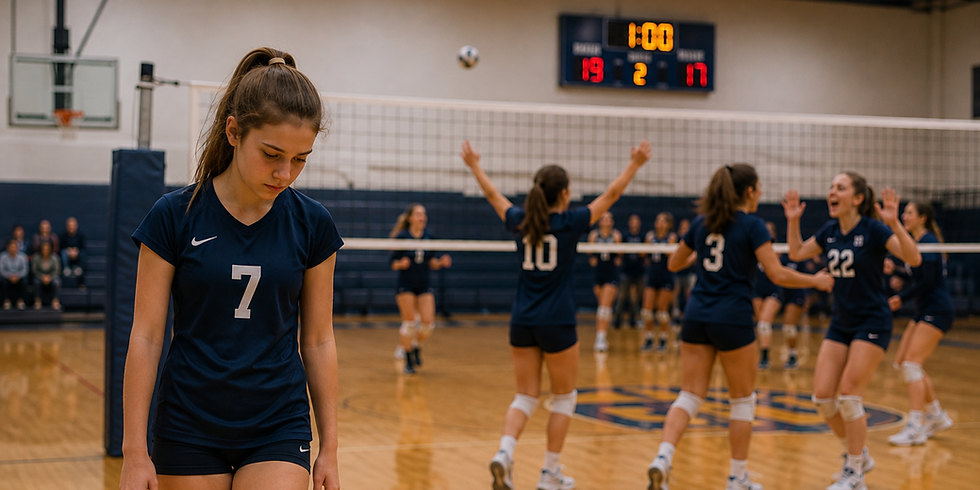
Not every activity combines fun, movement, social interaction, and learning all at once. That's what makes volleyball an excellent choice for summer break.
Unlike many other activities, volleyball challenges both the body and the mind. With every play, children learn to observe their surroundings, anticipate what will happen next, make quick decisions, and coordinate different parts of their bodies to control the ball. Best of all, these skills develop naturally while they're simply having fun.
Another major benefit of volleyball is its social aspect. As a team sport, every practice encourages communication, teamwork, and respect for others. Children learn to celebrate successes together, overcome challenges as a group, and understand that every player plays an important role on the team.
Volleyball is also highly adaptable to different ages and skill levels. With age-appropriate equipment, lighter volleyballs, and activities designed for each stage of development, even children with no previous experience can learn the game in a safe, supportive, and enjoyable environment.
During the summer, a physical activity like volleyball can make a meaningful difference in a child's routine. Instead of spending hours in front of screens, children have the opportunity to stay active, embrace new challenges, build friendships, and learn valuable skills, all within a fun, supportive, and welcoming environment.
Can Volleyball Help Prevent Summer Learning Loss?
Every year, when summer break begins, many parents share the same concern: Will my child forget some of what they learned during the school year?
This phenomenon is known as summer learning loss, a term used to describe the decline or slowing of certain academic and cognitive skills during the months when children are away from their regular school routine.
There's an important detail, though: keeping a child's brain active doesn't depend solely on books, math worksheets, or reading. Learning also happens through movement.
Research has shown that regular physical activity is associated with the development of cognitive skills that support learning, including attention, memory, motor coordination, and executive function, the set of mental processes responsible for planning, decision-making, self-control, and problem-solving.
A systematic review published in the British Journal of Sports Medicine found positive associations between physical activity, cognitive function, and academic performance in children and adolescents.
That's why sports like volleyball can play such an important role during summer break.
Imagine a child during practice. They watch the ball's trajectory, quickly decide where to move, remember their position on the court, coordinate their movements, and communicate with teammates, all within a matter of seconds. These actions are repeated throughout every drill and rally, turning each practice into a continuous workout for the brain.
While learning a new sport, children are also developing skills that will continue to benefit them when they return to the classroom.
Simple Ways to Keep Kids Active (and Learning) All Summer
Building a healthy summer routine isn't about filling every hour of the day with scheduled activities. More often than not, small changes are enough to keep children active, curious, and continuously learning and growing.
A few simple strategies can make all the difference:
☀️ Prioritize movement every day
Not every physical activity needs to be a structured workout. Walks, backyard games, bike rides, outdoor play, or a volleyball practice session are all great ways to help children stay active and burn energy in a healthy, enjoyable way.

📱 Balance screen time with active play
Screens are part of everyday life for many families, but setting aside dedicated time for play and sports helps create a healthier balance during summer break.

👥 Encourage activities with other children
Beyond the physical benefits, group activities help children develop social skills, build new friendships, and learn the value of teamwork, making summer break even more fun and rewarding.

🏐 Include one structured activity each week
Having a consistent weekly activity provides structure throughout summer break. Sports like volleyball offer ongoing challenges, encourage continuous learning, and keep children motivated and engaged all summer long.

❤️ Focus on fun, not perfection
The ultimate goal is to create positive experiences with movement so that children associate physical activity with fun, confidence, and the joy of learning.

Summer goes by quickly, but the habits built during this time can last far beyond the season. When children participate in activities that spark curiosity, encourage movement, and make learning enjoyable, they return to school better prepared physically, socially, and emotionally.
If you're looking for an activity that combines movement, learning, and fun, Volleyball Academy's programs are designed to help children of all ages develop skills both on and off the court.
Beyond learning the fundamentals of volleyball, children become part of a welcoming community where they build friendships, gain confidence, and discover the joy of staying active all summer long.


Comments